MatixGO: Smart home devices for everyone
MatixGO: Smart home devices for everyone
⊹
Electrical Equipment
⊹
EU
⊹
Innovation Strategy
⊹
Service Design
⊹
Industrial Design
Innovation Strategy
⊹
Service Design
⊹
Industrial Design
⊹
Innovation Strategy
⊹
Service Design
⊹
Industrial Design
⊹
Electrical Equipment
⊹
EU
⊹
Innovation Strategy
⊹
Service Design
⊹
Industrial Design
Innovation Strategy
⊹
Service Design
⊹
Industrial Design
⊹
Project scope
Bringing smart home to the mainstream by designing for the installer, not just the homeowner.
Team

Dagmara Siemieniec

Jonathan Fortunati
Deliverables
Research insights (B2B & B2C)
Co-designed products and services
CMF strategy & roadmap
"In B2B, the value chain is one of the biggest challenges. You need the internal team close, their expertise is irreplaceable. But you need external stakeholders just as close. Without both, your insights don't stick."
Jonathan Fortunati
What we did
When BTicino started looking at the next chapter of its wiring devices portfolio, the question was not whether connected features would become relevant, but how to make them viable at scale. Wiring devices are long cycle products. Once installed, they stay in place for years, sometimes decades, which makes every platform refresh a bet on what will still make sense tomorrow. The goal of this project was therefore practical and ambitious at the same time: keep a mainstream product line simple and robust, while opening the door to smart home functionality that would not feel reserved for premium installations.
From the start, we treated this as a shared piece of work, not as a handover from an external team. We set up a hybrid team with BTicino across Marketing, Design, R&D, Sales, and Communication - and we agreed on an innovation process that made progress visible. The new process mattered because the work required coordination between disciplines that usually operate in sequence, and because there was no appetite for a long research phase that would be difficult to digest and even harder to translate into product directions. Our role was to bring structure without adding bureaucracy, to challenge assumptions with a fresh angle, and to work hands on on most of the non technical activities, especially qualitative research and product-service design.
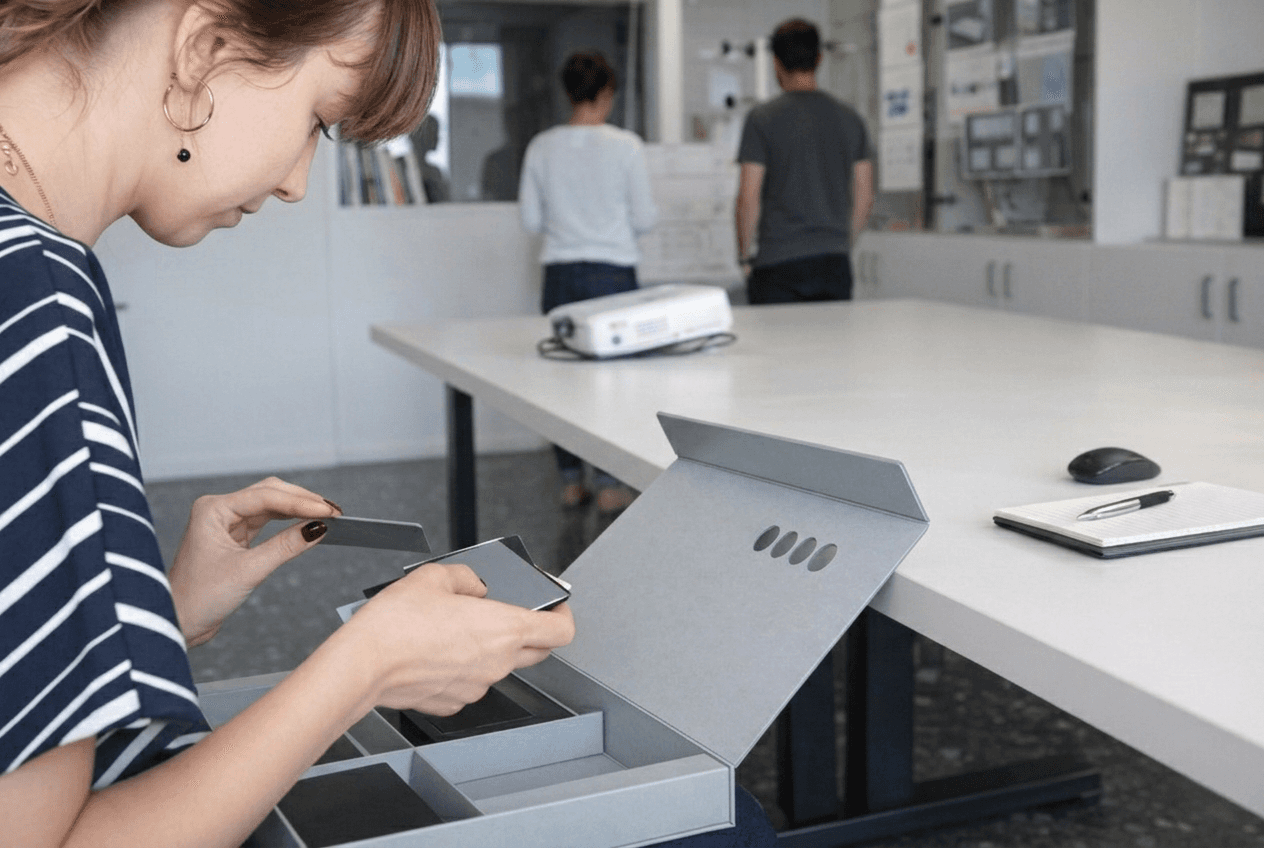
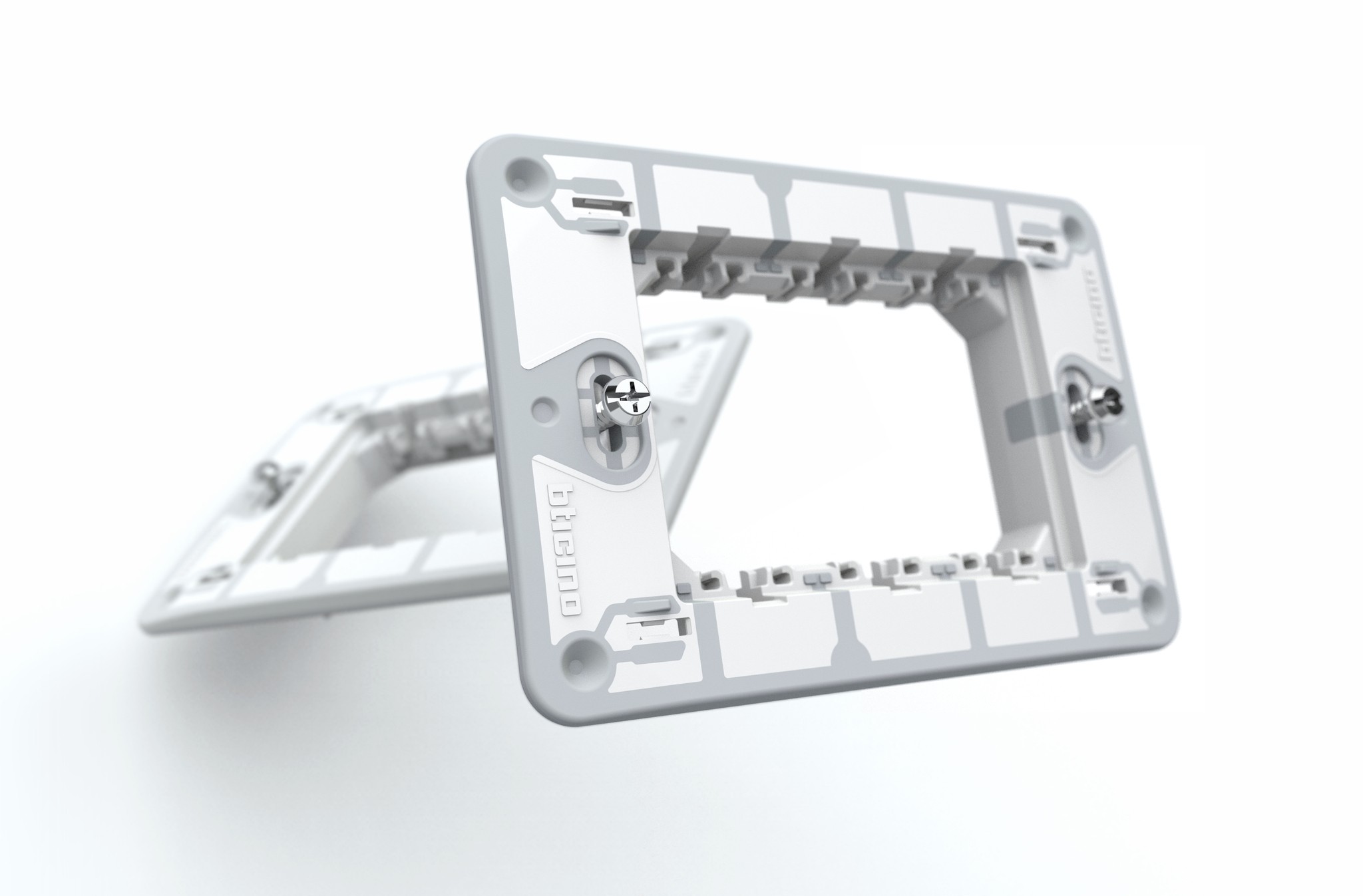
Through qualitative interviews and workshops with electricians, we kept seeing a pattern that changed how the team talked about value and quality. When installers were handed early concepts or prototypes, they did not spend much time admiring the front. They turned the product around, stressed it, twisted it, and inspected the parts that would need to survive years of real life use and repeated handling. This was not a matter of taste. It was about trust, and trust in this category is earned through tangible signals of robustness and a workflow that makes installation predictable and fast. The value of the new process came from what happened next. Instead of turning research into a long report, we used it as a translation mechanism. We extracted a few key insights that could immediately become requirements, then turned those requirements into product and service concepts that were concrete enough to prototype and test again. In practical terms, this meant short cycles where we would meet installers with increasingly resolved concepts, capture reactions quickly, and come back together with clear adjustments.
BTicino's team did the heavy lifting on industrial design and engineering, which they could do quickly thanks to their vertical expertise and internal capabilities, while we helped keep the work coherent across disciplines by making sure marketing intent, user reality, and design principles remained aligned. In roughly twelve weeks, the team was able to converge on a clear vision, key features, and a new design direction, with early prototypes already close to what would later ship. From that point on, BTicino’s team took the lead in consolidating the design, developing the full range, and defining the final CMF, while FFForward’s role naturally shifted from hands on contribution to a sparring partner supporting key decisions throughout the development journey.
What we did
When BTicino started looking at the next chapter of its wiring devices portfolio, the question was not whether connected features would become relevant, but how to make them viable at scale. Wiring devices are long cycle products. Once installed, they stay in place for years, sometimes decades, which makes every platform refresh a bet on what will still make sense tomorrow. The goal of this project was therefore practical and ambitious at the same time: keep a mainstream product line simple and robust, while opening the door to smart home functionality that would not feel reserved for premium installations.
From the start, we treated this as a shared piece of work, not as a handover from an external team. We set up a hybrid team with BTicino across Marketing, Design, R&D, Sales, and Communication - and we agreed on an innovation process that made progress visible. The new process mattered because the work required coordination between disciplines that usually operate in sequence, and because there was no appetite for a long research phase that would be difficult to digest and even harder to translate into product directions. Our role was to bring structure without adding bureaucracy, to challenge assumptions with a fresh angle, and to work hands on on most of the non technical activities, especially qualitative research and product-service design.
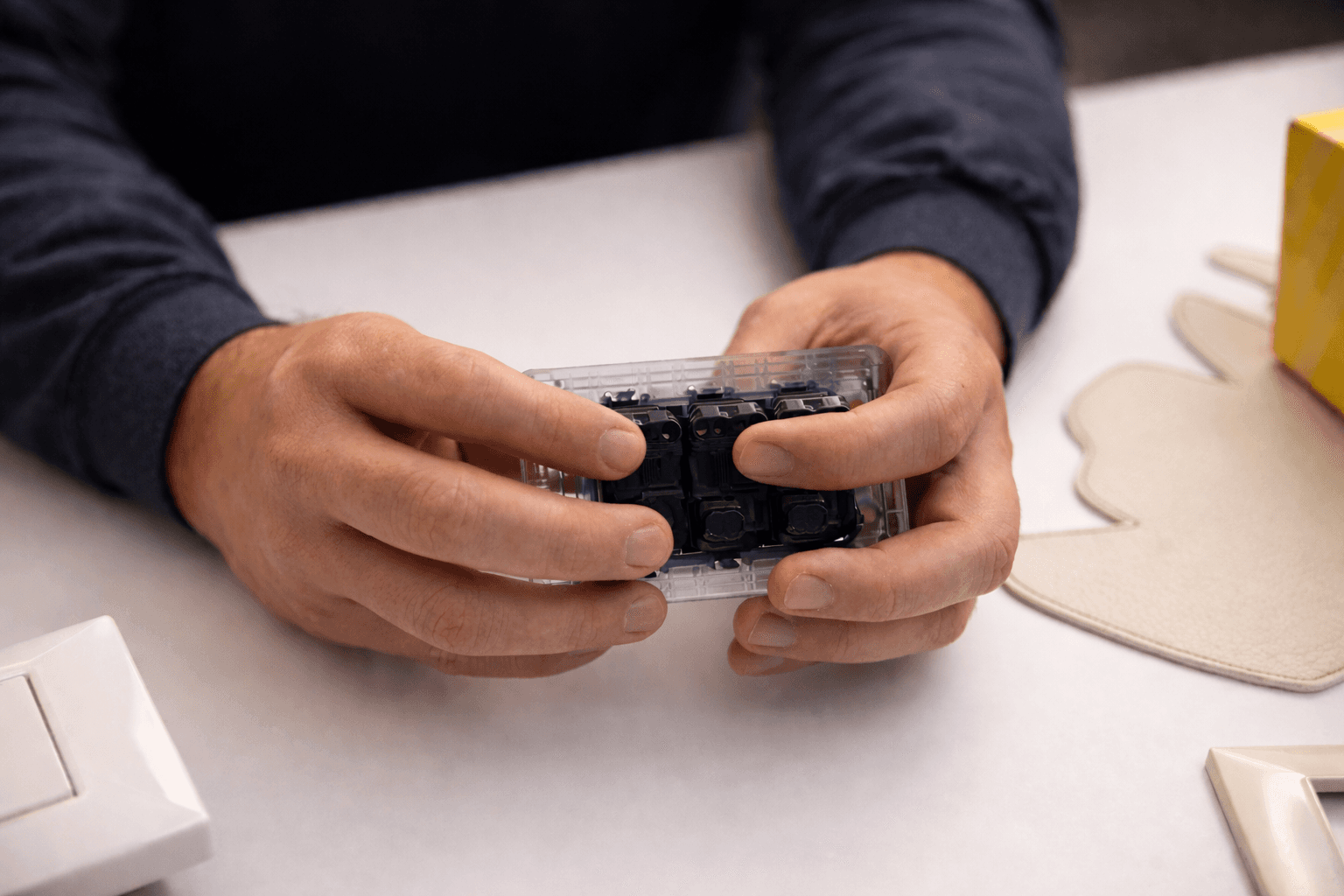
Through qualitative interviews and workshops with electricians, we kept seeing a pattern that changed how the team talked about value and quality. When installers were handed early concepts or prototypes, they did not spend much time admiring the front. They turned the product around, stressed it, twisted it, and inspected the parts that would need to survive years of real life use and repeated handling. This was not a matter of taste. It was about trust, and trust in this category is earned through tangible signals of robustness and a workflow that makes installation predictable and fast. The value of the new process came from what happened next. Instead of turning research into a long report, we used it as a translation mechanism. We extracted a few key insights that could immediately become requirements, then turned those requirements into product and service concepts that were concrete enough to prototype and test again. In practical terms, this meant short cycles where we would meet installers with increasingly resolved concepts, capture reactions quickly, and come back together with clear adjustments.
BTicino's team did the heavy lifting on industrial design and engineering, which they could do quickly thanks to their vertical expertise and internal capabilities, while we helped keep the work coherent across disciplines by making sure marketing intent, user reality, and design principles remained aligned. In roughly twelve weeks, the team was able to converge on a clear vision, key features, and a new design direction, with early prototypes already close to what would later ship. From that point on, BTicino’s team took the lead in consolidating the design, developing the full range, and defining the final CMF, while FFForward’s role naturally shifted from hands on contribution to a sparring partner supporting key decisions throughout the development journey.
Results
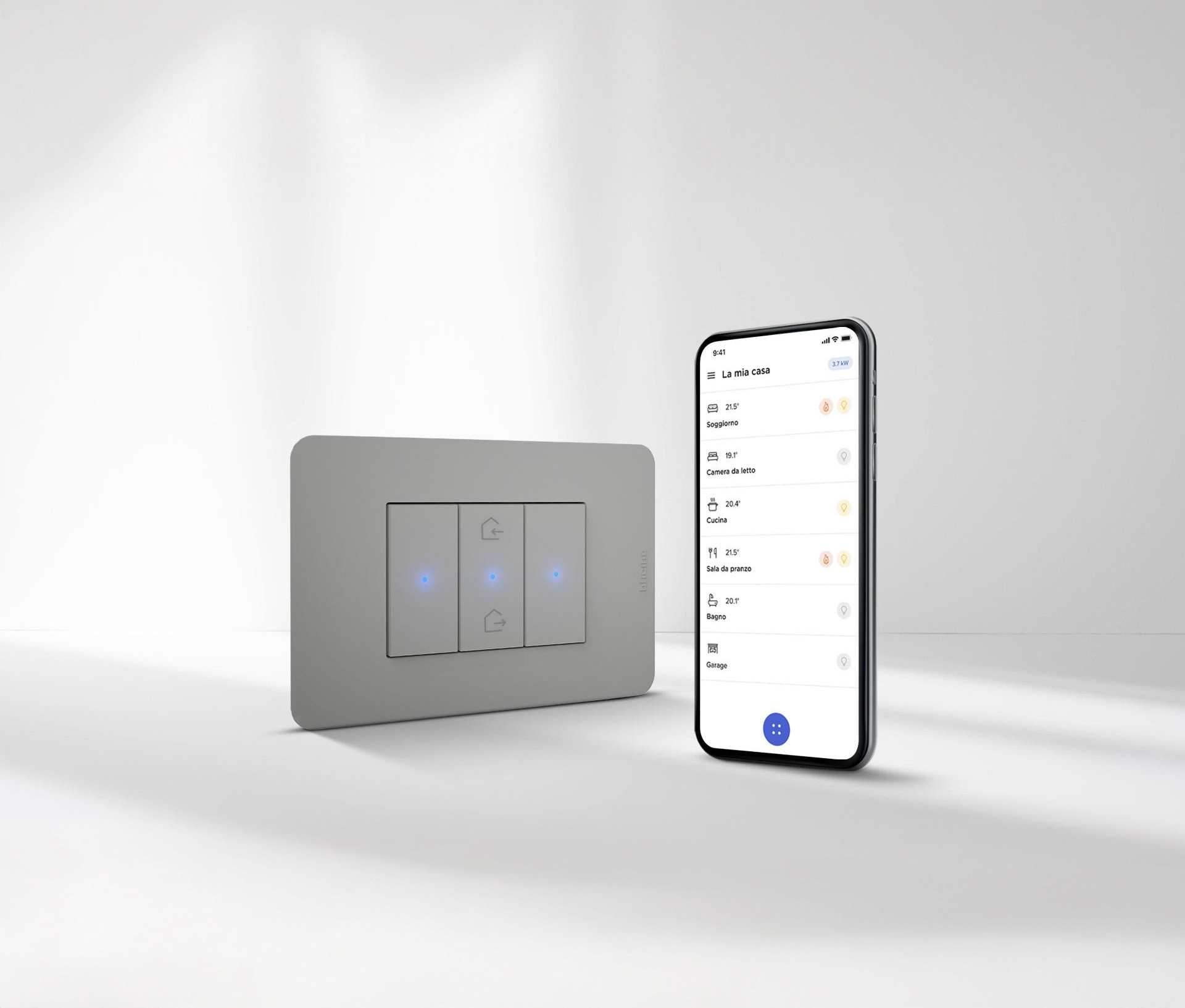
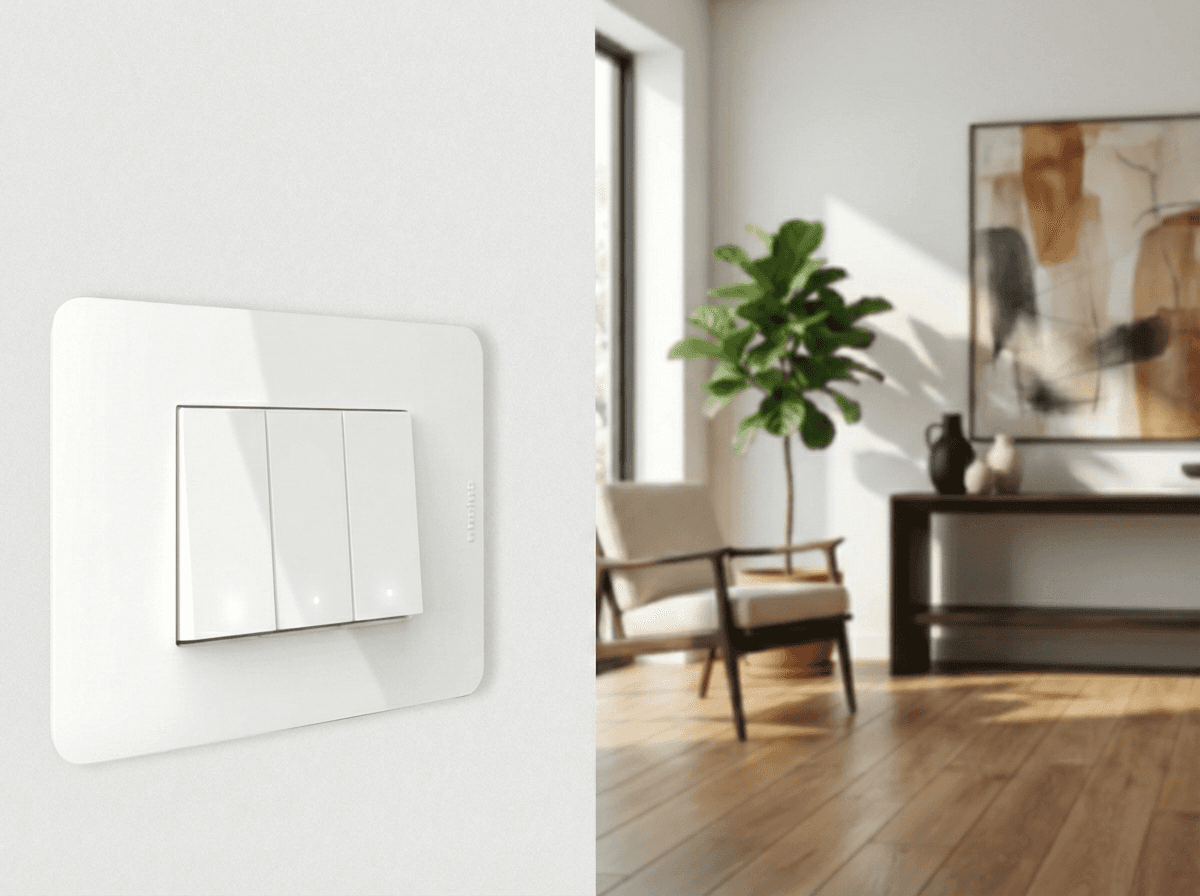
MatixGO launched in July 2023 and was positioned as smart home devices for everyone, through the integration of IoT solutions from Netatmo. The new range is based on a retro-fittable modular approach that lets you modify an installation by adding attachments, without disassembling or rewiring, and it includes a wide range of solutions that can cover pretty much every domestic use case.
This project is the perfect example of how it is almost never a single clever idea that makes the difference. The process, the working mode, and most importantly a motivated team, is what made it a success: connecting the right perspectives early, keeping momentum, and making decisions that could survive the reality of scale.
The new line is now on the market and has been well received by professionals and end users alike.
01
The new line is now on the market and has been well received by professionals and end users alike.
01
The new line is now on the market and has been well received by professionals and end users alike.
01
It strengthened BTicino’s position in a highly competitive segment while making connected features widely accessible.
02
It strengthened BTicino’s position in a highly competitive segment while making connected features widely accessible.
02
It strengthened BTicino’s position in a highly competitive segment while making connected features widely accessible.
02
The new innovation process reinforced internal collaboration across departments and became a strong reference for future developments.
03
The new innovation process reinforced internal collaboration across departments and became a strong reference for future developments.
03
The new innovation process reinforced internal collaboration across departments and became a strong reference for future developments.
03
This project laid the foundation for a long term partnership, with FFForward supporting BTicino across multiple innovation and design initiatives over nearly a decade.
04
This project laid the foundation for a long term partnership, with FFForward supporting BTicino across multiple innovation and design initiatives over nearly a decade.
04
This project laid the foundation for a long term partnership, with FFForward supporting BTicino across multiple innovation and design initiatives over nearly a decade.
04
More projects
More projects
Haier EDL
From product-first to experience-first
Haier EDL
From product-first to experience-first
Consumer Healthcare (Confidential)
Unifying the innovation process across markets and categories
Consumer Healthcare (Confidential)
Unifying the innovation process across markets and categories
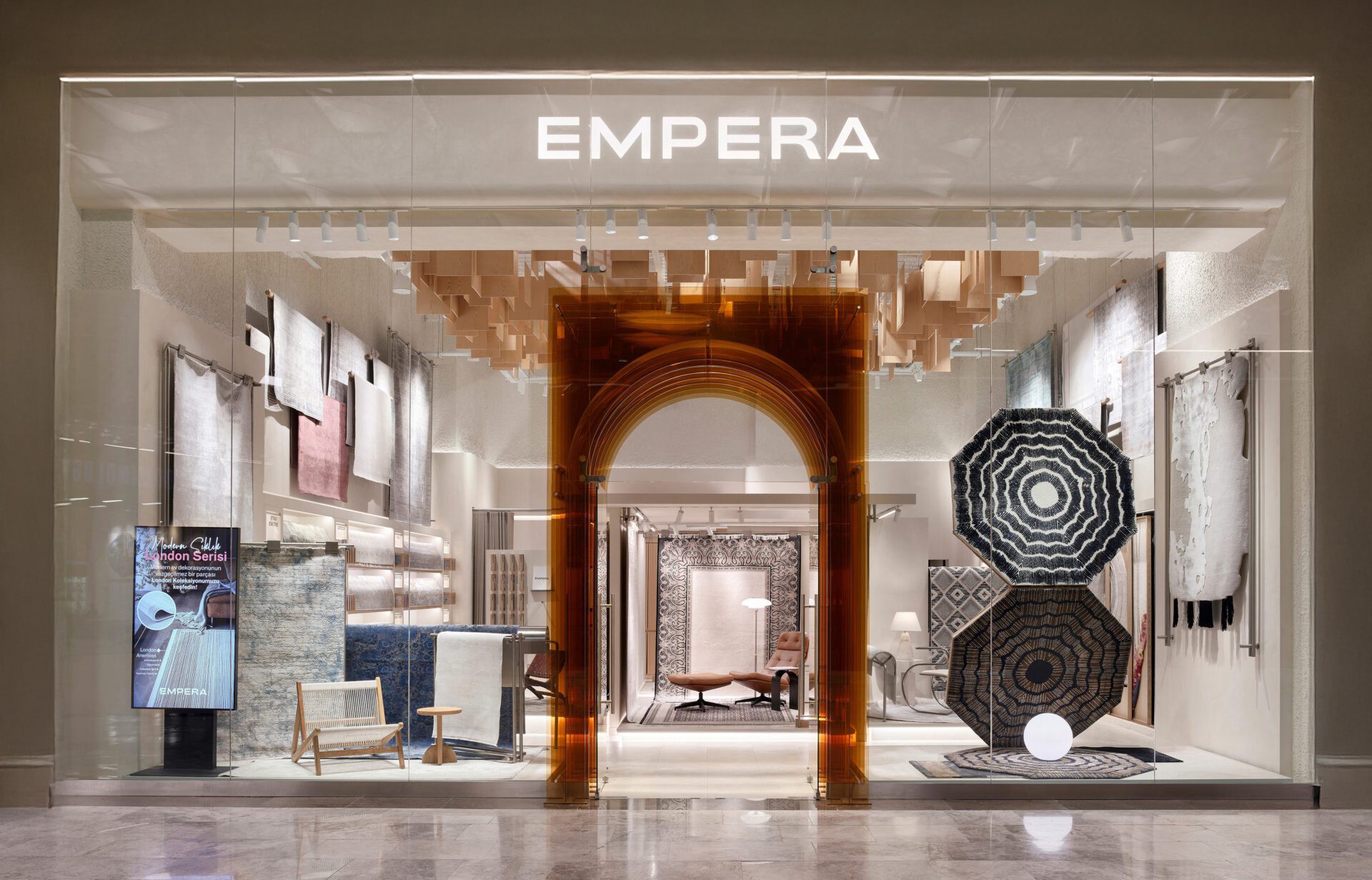
Empera Skyland Experience Centre
A new retail space to bring craftsmanship to life
Empera Skyland Experience Centre
A new retail space to bring craftsmanship to life
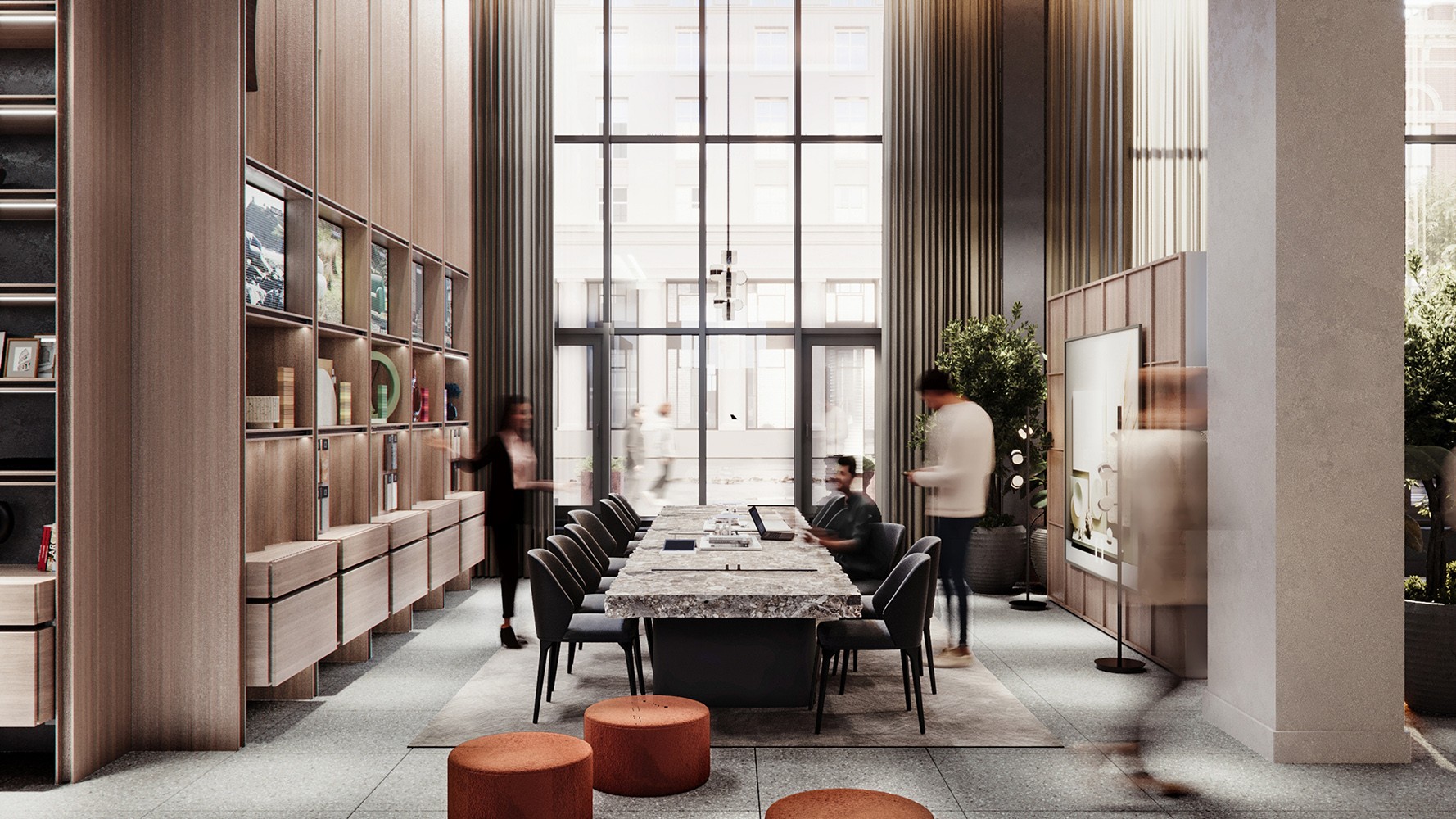
Enza Home Flagship Store
An adaptable retail format for international expansion
Enza Home Flagship Store
An adaptable retail format for international expansion

What are your working on?
What are your working on?
What are your working on?