Unifying the innovation process across markets and categories
Unifying the innovation process across markets and categories
⊹
Consumer Healthcare
⊹
EU
⊹
Innovation Strategy
⊹
Innovation Processes
⊹
Capability Building
Innovation Strategy
⊹
Innovation Processes
⊹
Capability Building
⊹
Innovation Strategy
⊹
Innovation Processes
⊹
Capability Building
⊹
Consumer Healthcare
⊹
EU
⊹
Innovation Strategy
⊹
Innovation Processes
⊹
Capability Building
Innovation Strategy
⊹
Innovation Processes
⊹
Capability Building
⊹
Project scope
Supporting a generics pharma company as it redefined how innovation is run across a newly acquired consumer business
Team

Jonathan Fortunati

Rio Leipold
Deliverables
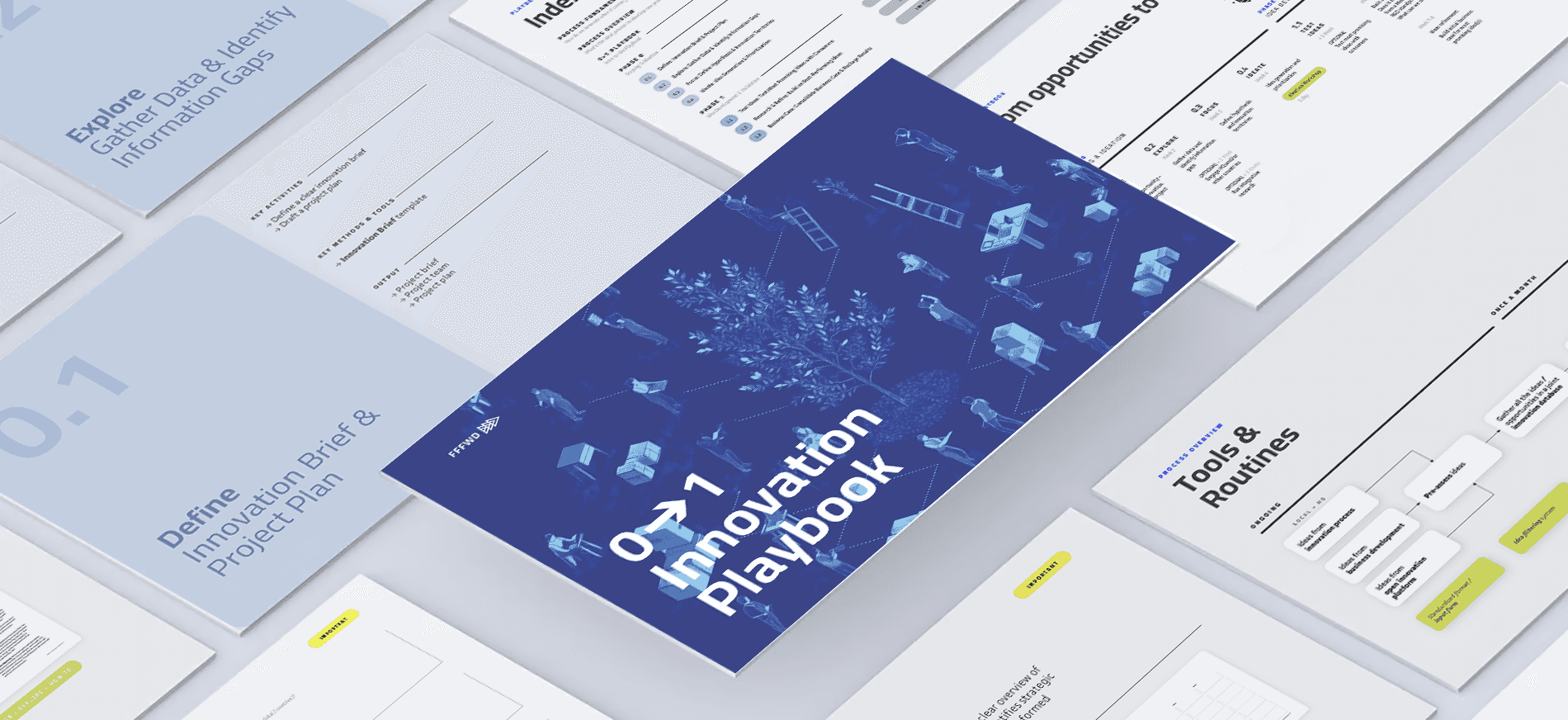
Innovation Playbook
Innovation Pipeline
"I enjoyed very much how collaborative FFForward’s approach was. The seed for a more structured process was planted, and this playbook will surely become a reference point for big projects in the future."
Confidential
Head of Consumer Healthcare Portfolio
What we did
A pharmaceutical company with deep roots in generics, had recently acquired a portfolio of consumer brands. While the organisation was highly capable in its core business, consumer healthcare required a different rhythm and set of rules. Product development had been largely driven by local sales input and reactive moves to competitor activity. This worked well to address immediate market needs, but left limited space for a more proactive, longer term innovation strategy. The leadership team recognised that succeeding in consumer categories would require a clearer and more shared framework, explicit decision criteria, and stronger alignment between headquarters and local markets.
We began by mapping the existing product development process end to end and identifying gaps in responsibilities, inputs, and decision making. Working closely with the client’s strategy, portfolio, and R&D teams, we selected a pilot category to design and test an innovation playbook in real conditions. The category chosen was gastro (digestive health), because it spanned multiple markets and brands, which made it a natural vehicle to also engage country teams in the process. The result was a lean, adaptable framework for consumer product innovation, defining key stages, decision moments, and practical templates that teams could use without adding excessive admin or extra work. To ensure adoption, we established clear governance roles, decision rights, and collaboration routines across HQ and local markets. With the same objective, we engaged local representatives early in the project through interviews and workshops, and we created ready to use tools to support consistent implementation across teams.

In parallel, the gastro category served as the first real application of the playbook. Together with the client’s team, we facilitated structured innovation sessions, from briefing and ideation through to concept prioritisation, generating and refining product ideas grounded in consumer needs and regional market nuances. The process produced a five year gastro pipeline with concrete innovative product concepts, many of which are now in active development.
A key aspect of the collaboration was that everything was designed to fit how the organisation already worked. Rather than introducing new software or asking teams to overhaul their processes, we built on what was there and made it better: standardising inputs, making ideas comparable, and giving R&D a clearer horizon for what the portfolio would need over the coming years.
What we did
A pharmaceutical company with deep roots in generics, had recently acquired a portfolio of consumer brands. While the organisation was highly capable in its core business, consumer healthcare required a different rhythm and set of rules. Product development had been largely driven by local sales input and reactive moves to competitor activity. This worked well to address immediate market needs, but left limited space for a more proactive, longer term innovation strategy. The leadership team recognised that succeeding in consumer categories would require a clearer and more shared framework, explicit decision criteria, and stronger alignment between headquarters and local markets.
We began by mapping the existing product development process end to end and identifying gaps in responsibilities, inputs, and decision making. Working closely with the client’s strategy, portfolio, and R&D teams, we selected a pilot category to design and test an innovation playbook in real conditions. The category chosen was gastro (digestive health), because it spanned multiple markets and brands, which made it a natural vehicle to also engage country teams in the process. The result was a lean, adaptable framework for consumer product innovation, defining key stages, decision moments, and practical templates that teams could use without adding excessive admin or extra work. To ensure adoption, we established clear governance roles, decision rights, and collaboration routines across HQ and local markets. With the same objective, we engaged local representatives early in the project through interviews and workshops, and we created ready to use tools to support consistent implementation across teams.
In parallel, the gastro category served as the first real application of the playbook. Together with the client’s team, we facilitated structured innovation sessions, from briefing and ideation through to concept prioritisation, generating and refining product ideas grounded in consumer needs and regional market nuances. The process produced a five year gastro pipeline with concrete innovative product concepts, many of which are now in active development.
A key aspect of the collaboration was that everything was designed to fit how the organisation already worked. Rather than introducing new software or asking teams to overhaul their processes, we built on what was there and made it better: standardising inputs, making ideas comparable, and giving R&D a clearer horizon for what the portfolio would need over the coming years.
Results
Gastro has since become a strategic priority, and the playbook is now used by the central team as a practical tool to shape and evaluate innovation initiatives. As the organisation builds familiarity with the approach, HQ is planning to extend its application to additional categories, with local market activation expected to follow through continued central support.
Established a scalable, structured innovation framework that the organisation can adapt and reuse across categories and markets
01
Established a scalable, structured innovation framework that the organisation can adapt and reuse across categories and markets
01
Established a scalable, structured innovation framework that the organisation can adapt and reuse across categories and markets
01
A prioritised product pipeline emerged from the pilot category, with four concrete products in development and the first launch planned for 2027
02
A prioritised product pipeline emerged from the pilot category, with four concrete products in development and the first launch planned for 2027
02
A prioritised product pipeline emerged from the pilot category, with four concrete products in development and the first launch planned for 2027
02
Built early familiarity with a shared innovation approach through hands on sessions and practical templates, with HQ continuing to drive adoption and support local activation
03
Built early familiarity with a shared innovation approach through hands on sessions and practical templates, with HQ continuing to drive adoption and support local activation
03
Built early familiarity with a shared innovation approach through hands on sessions and practical templates, with HQ continuing to drive adoption and support local activation
03
More projects
More projects
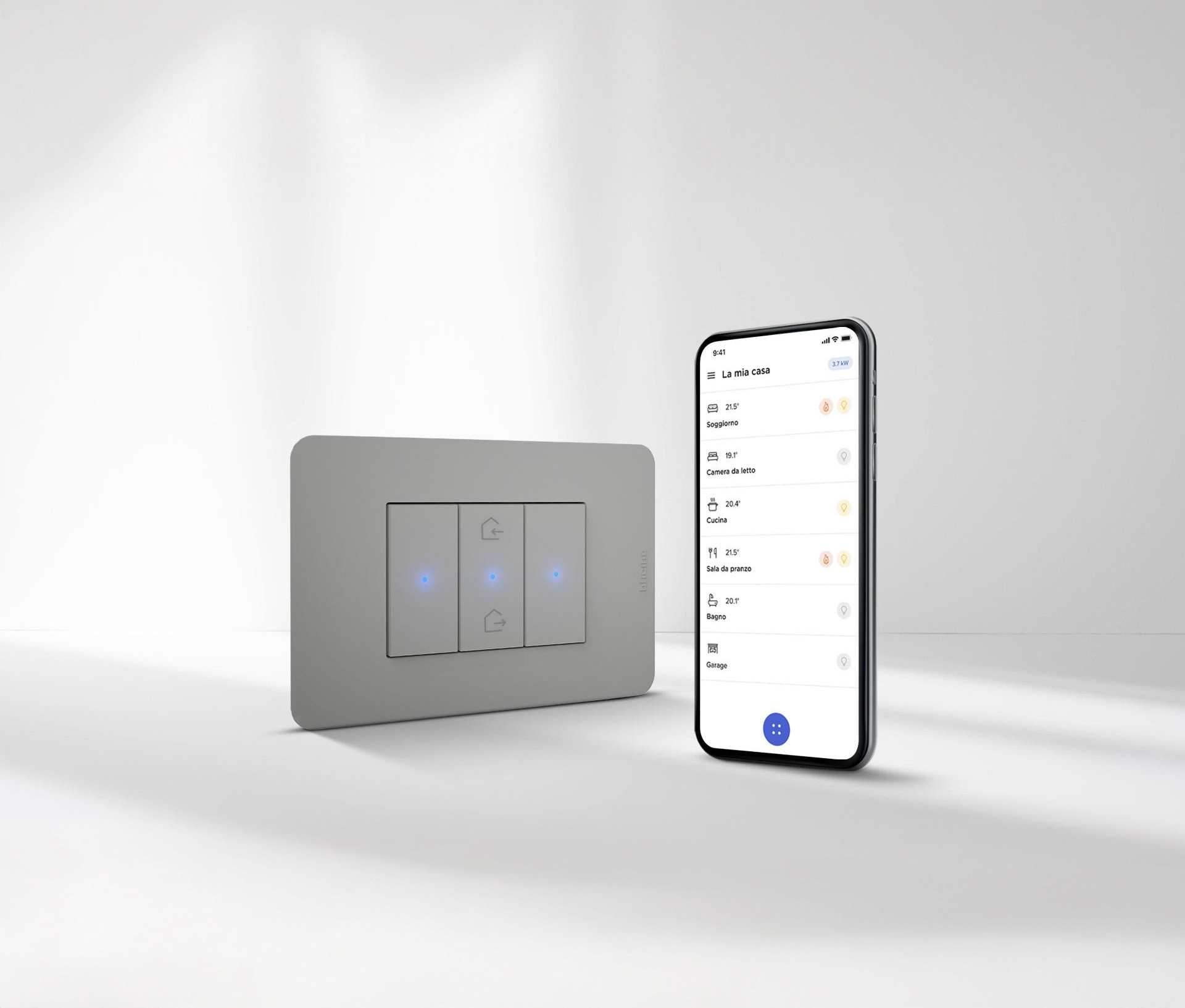
BTicino MatixGo
MatixGO: Smart home devices for everyone
BTicino MatixGo
MatixGO: Smart home devices for everyone
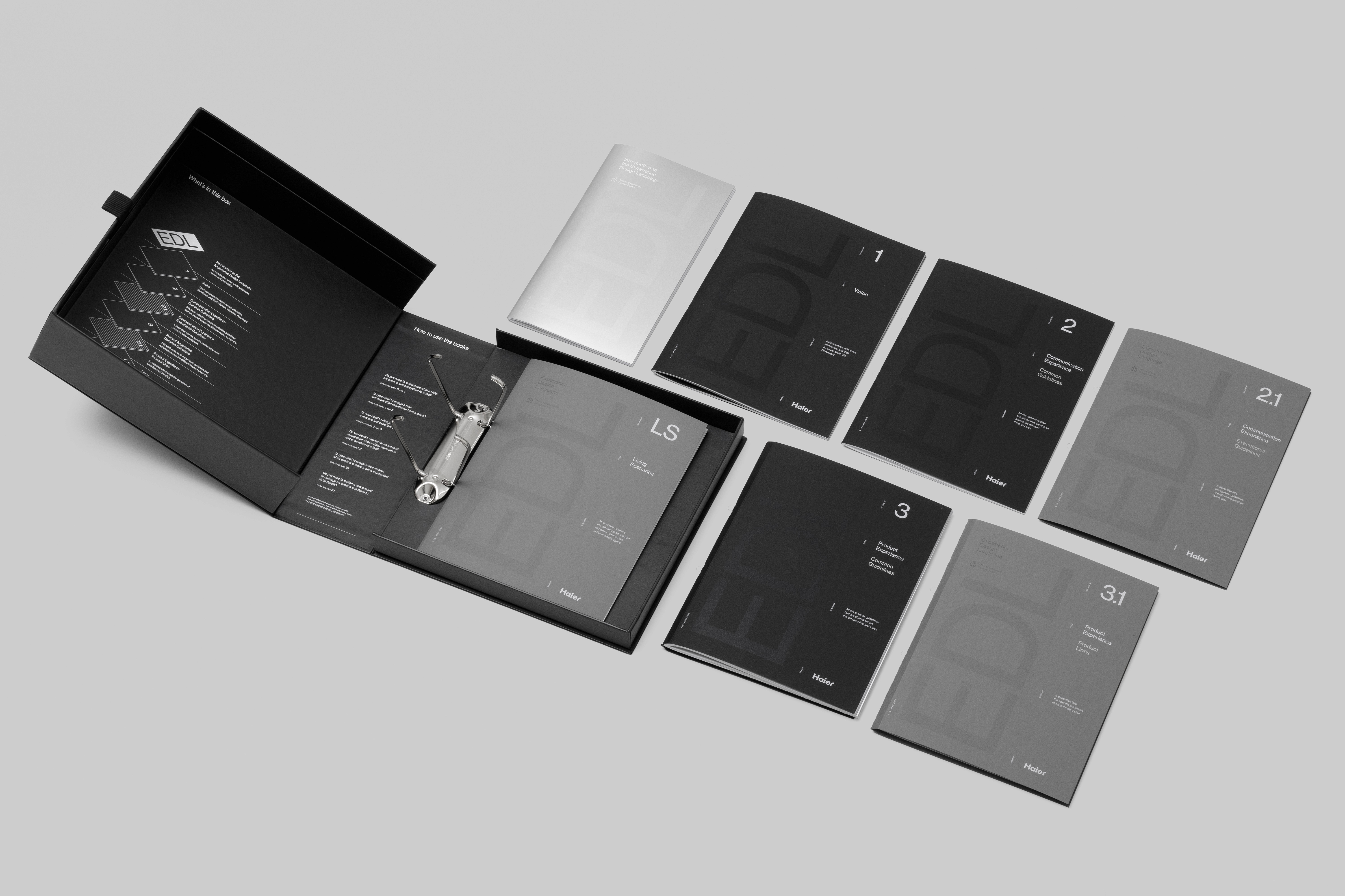
Haier EDL
From product-first to experience-first
Haier EDL
From product-first to experience-first
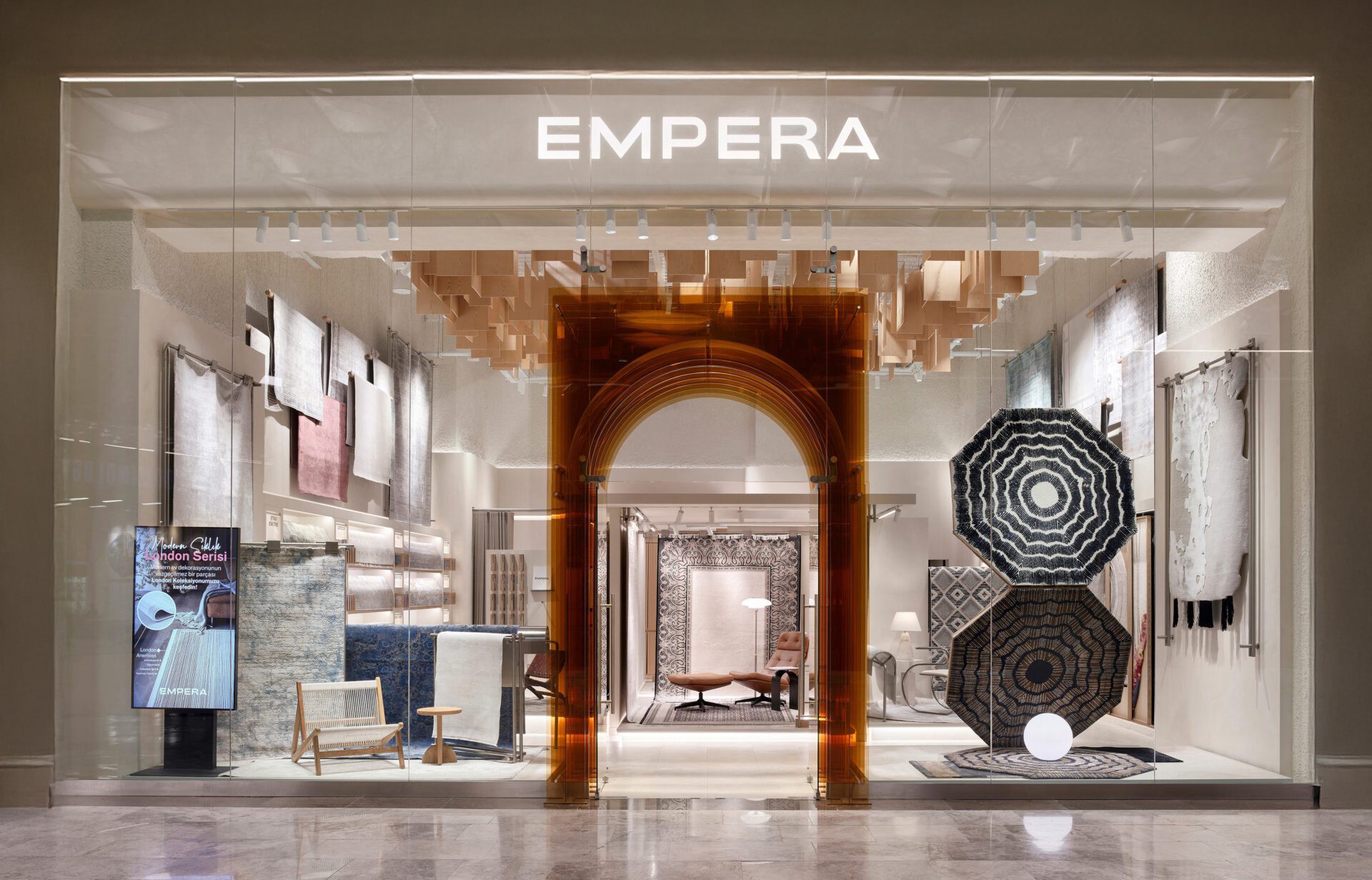
Empera Skyland Experience Centre
A new retail space to bring craftsmanship to life
Empera Skyland Experience Centre
A new retail space to bring craftsmanship to life
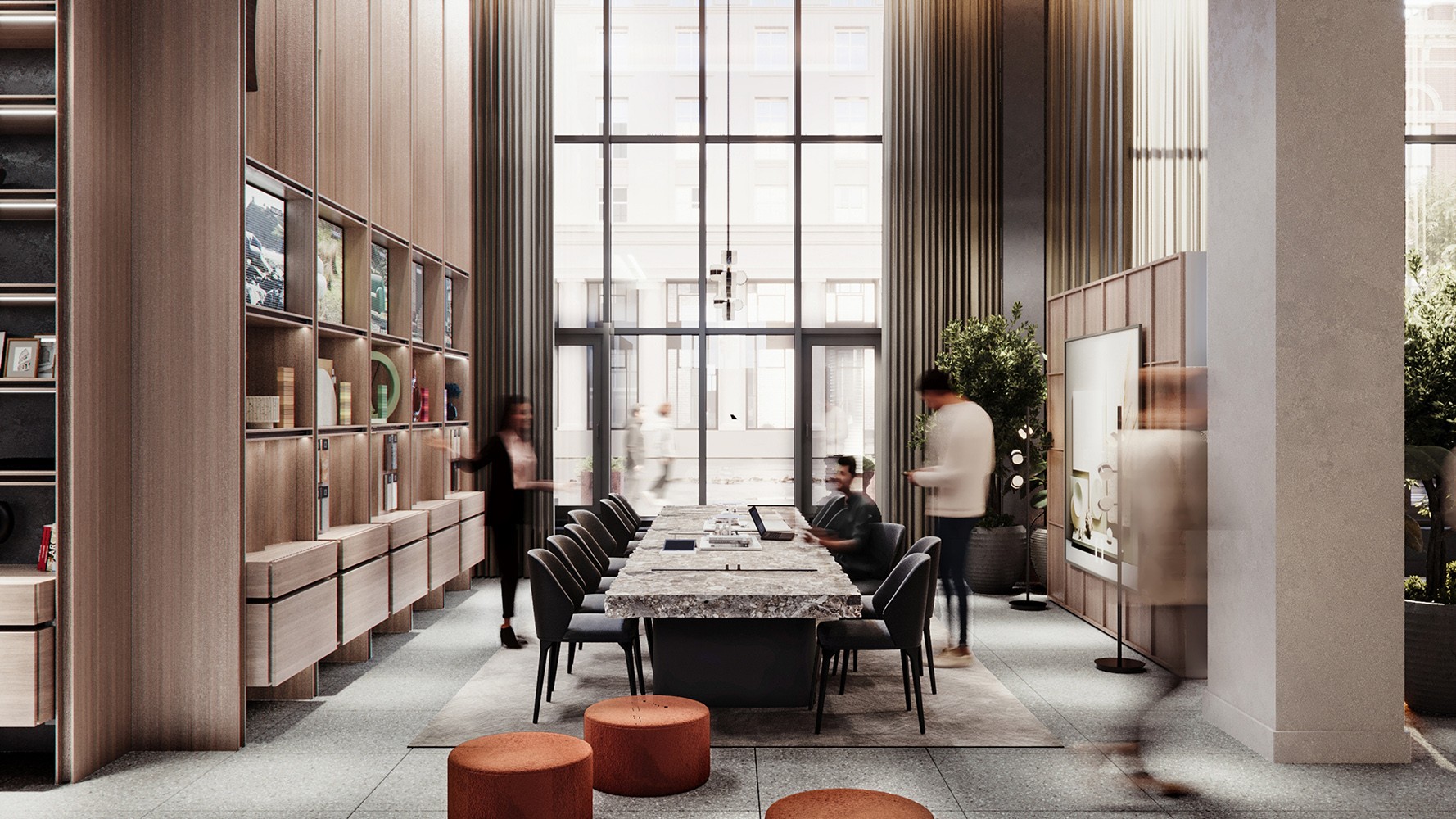
Enza Home Flagship Store
An adaptable retail format for international expansion
Enza Home Flagship Store
An adaptable retail format for international expansion

What are your working on?
What are your working on?
What are your working on?