Building a design-driven innovation culture
Building a design-driven innovation culture
⊹
FMCG
⊹
EU
⊹
Capability Building
⊹
Organisational Coaching
Capability Building
⊹
Organisational Coaching
⊹
Capability Building
Organisational Coaching
⊹
⊹
FMCG
⊹
EU
⊹
Capability Building
Organisational Coaching
⊹
Capability Building
⊹
Organisational Coaching
⊹
⊹
Project scope
Establish shared knowledge and understanding of the role of design as an innovation driver within an FMCG company
Team

Dagmara Siemieniec

Jonathan Fortunati

Laura Polazzi
Deliverables
Training workshops
“Innovation is often framed as a technology breakthrough, but design can unlock just as much value. R&D teams can build this capability without having to create a dedicated design department.”
Laura Polazzi
What we did
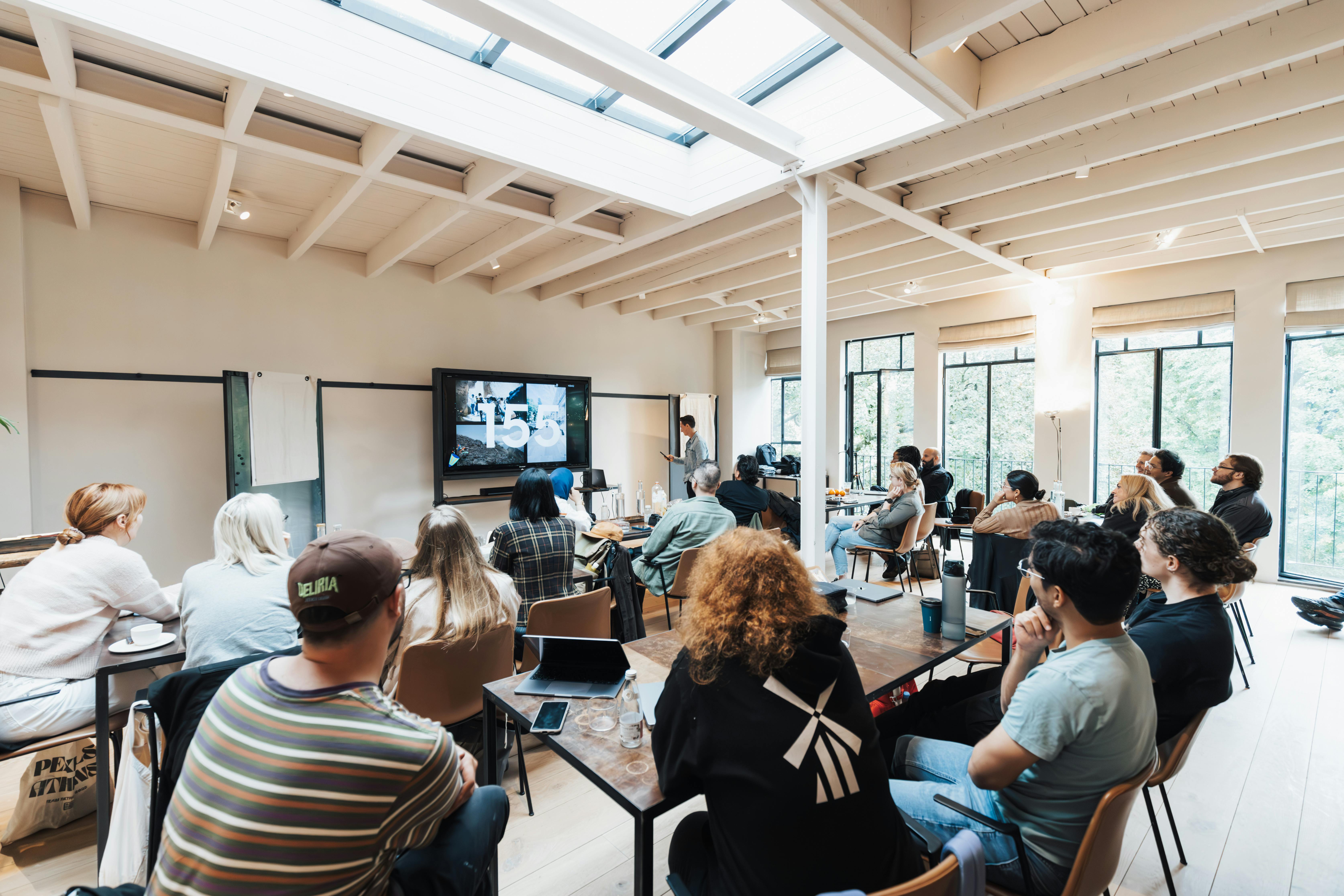
In an R&D-driven FMCG organisation, innovation was largely driven by technical feasibility and internal expertise, while the role of design as a strategic lever remained underused. Together with the client, we surfaced a clear gap: teams had limited shared language and practical tools to translate consumer needs into differentiated solutions, and to use design intentionally to improve innovation outcomes. We designed and facilitated a structured enablement program for a cross-functional group of around 20 participants, primarily from R&D and Marketing. Across a series of sessions, we introduced the fundamentals of design-driven innovation, why it matters in FMCG, where it creates value, and how to apply it in day-to-day product development. To ground the content in reality, we brought in a broad set of FMCG references and examples, showing how leading companies use design to shape propositions, experiences, and product-service thinking.
The program combined theory with hands-on exercises, allowing teams to apply methods directly to their own challenges and explore alternative solution directions. Through dedicated Q&A and debate formats, we created space to challenge assumptions, build alignment, and identify where design could have the biggest impact. As a concrete output, the team pinpointed ongoing projects where design support could improve outcomes and translated learnings into clearer future briefs, establishing a shared foundation for stronger collaboration and more focused innovation moving forward.
What we did
In an R&D-driven FMCG organisation, innovation was largely driven by technical feasibility and internal expertise, while the role of design as a strategic lever remained underused. Together with the client, we surfaced a clear gap: teams had limited shared language and practical tools to translate consumer needs into differentiated solutions, and to use design intentionally to improve innovation outcomes. We designed and facilitated a structured enablement program for a cross-functional group of around 20 participants, primarily from R&D and Marketing. Across a series of sessions, we introduced the fundamentals of design-driven innovation, why it matters in FMCG, where it creates value, and how to apply it in day-to-day product development. To ground the content in reality, we brought in a broad set of FMCG references and examples, showing how leading companies use design to shape propositions, experiences, and product-service thinking.
The program combined theory with hands-on exercises, allowing teams to apply methods directly to their own challenges and explore alternative solution directions. Through dedicated Q&A and debate formats, we created space to challenge assumptions, build alignment, and identify where design could have the biggest impact. As a concrete output, the team pinpointed ongoing projects where design support could improve outcomes and translated learnings into clearer future briefs, establishing a shared foundation for stronger collaboration and more focused innovation moving forward.
Results
Cross-company understanding of the value of design and how to use it to drive innovation
01
Cross-company understanding of the value of design and how to use it to drive innovation
01
Cross-company understanding of the value of design and how to use it to drive innovation
01
Acquisition of basic skills and tools to better manage design (and designers) internally
02
Acquisition of basic skills and tools to better manage design (and designers) internally
02
Acquisition of basic skills and tools to better manage design (and designers) internally
02
More projects
More projects
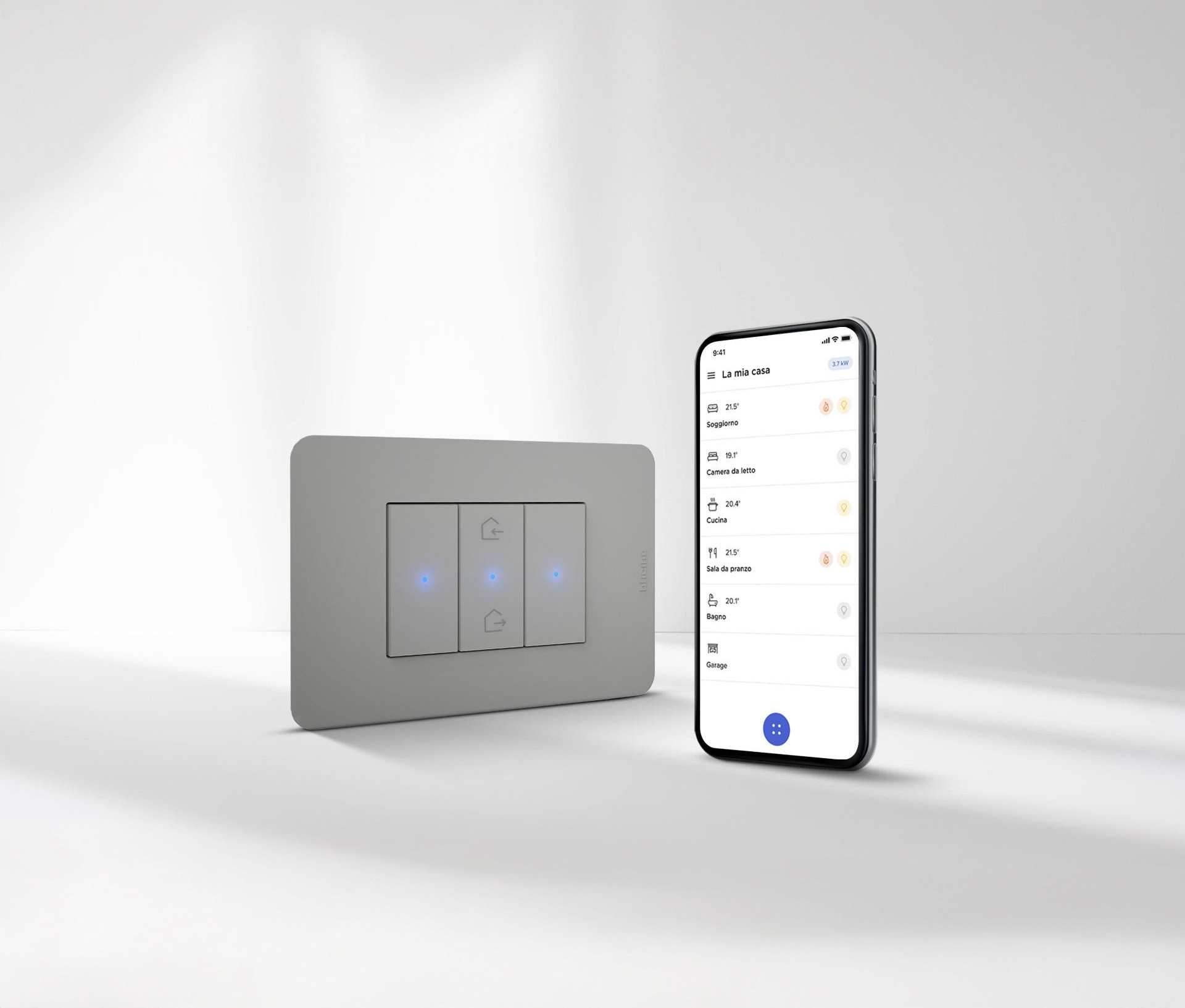
BTicino MatixGo
MatixGO: Smart home devices for everyone
BTicino MatixGo
MatixGO: Smart home devices for everyone
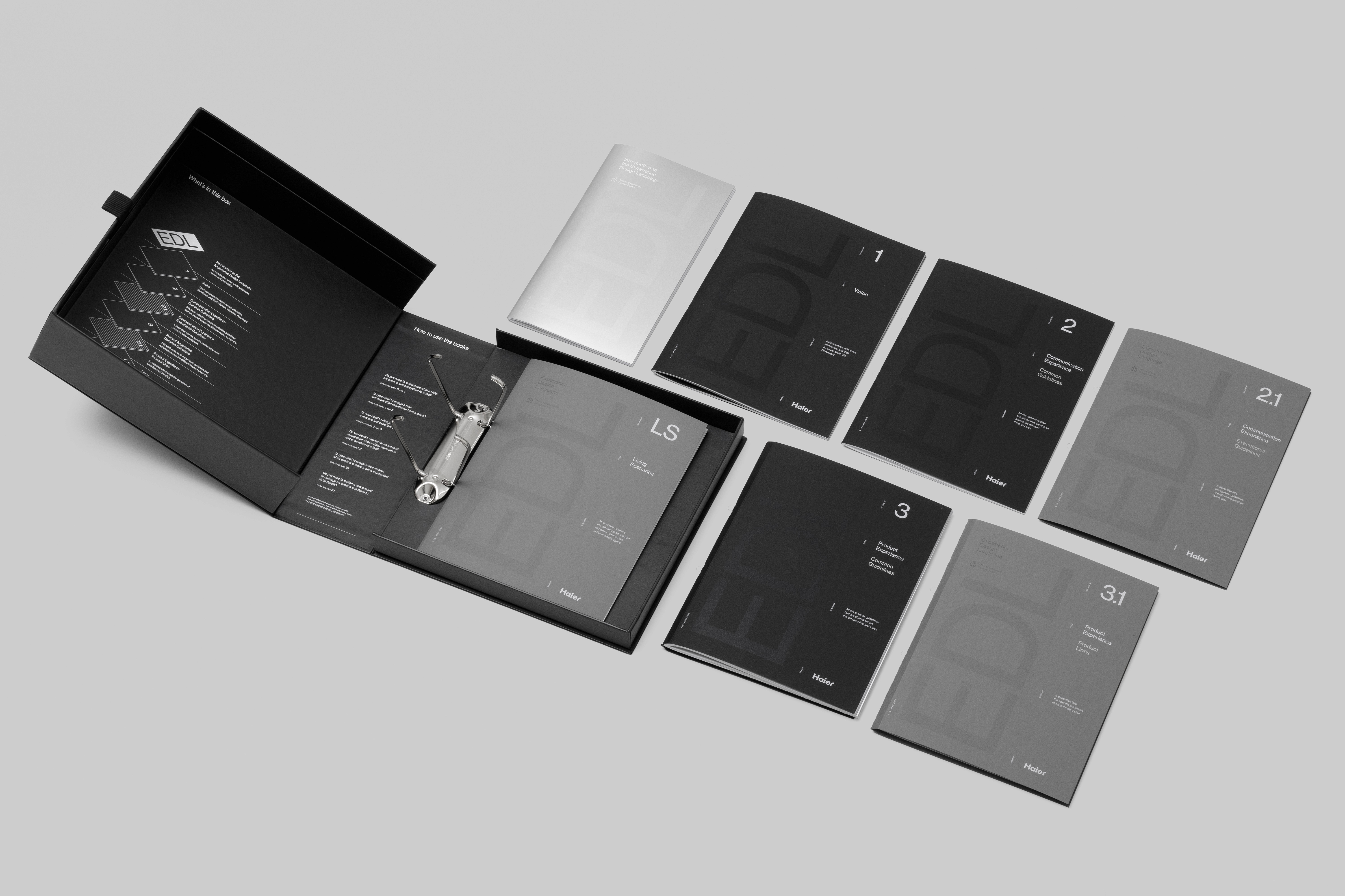
Haier EDL
From product-first to experience-first
Haier EDL
From product-first to experience-first
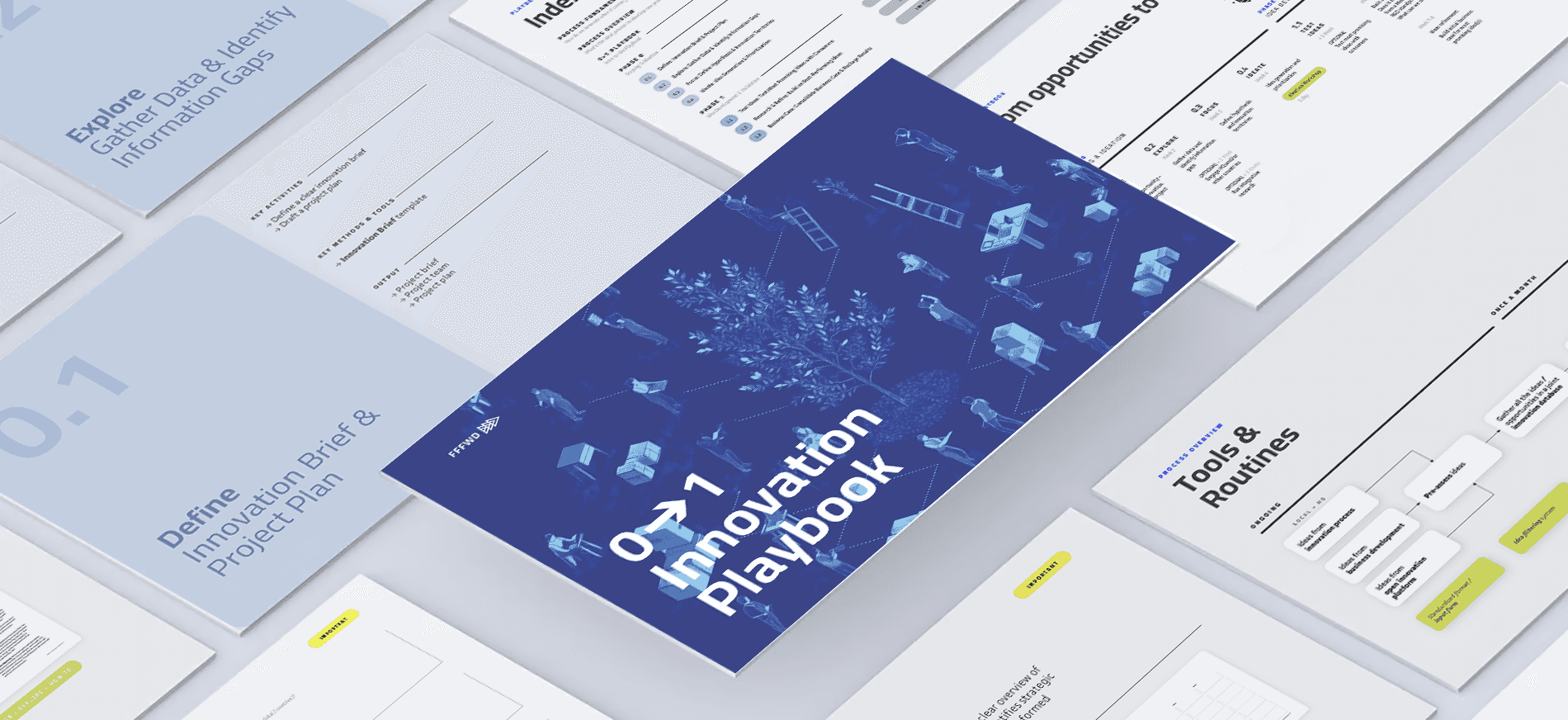
Consumer Healthcare (Confidential)
Unifying the innovation process across markets and categories
Consumer Healthcare (Confidential)
Unifying the innovation process across markets and categories
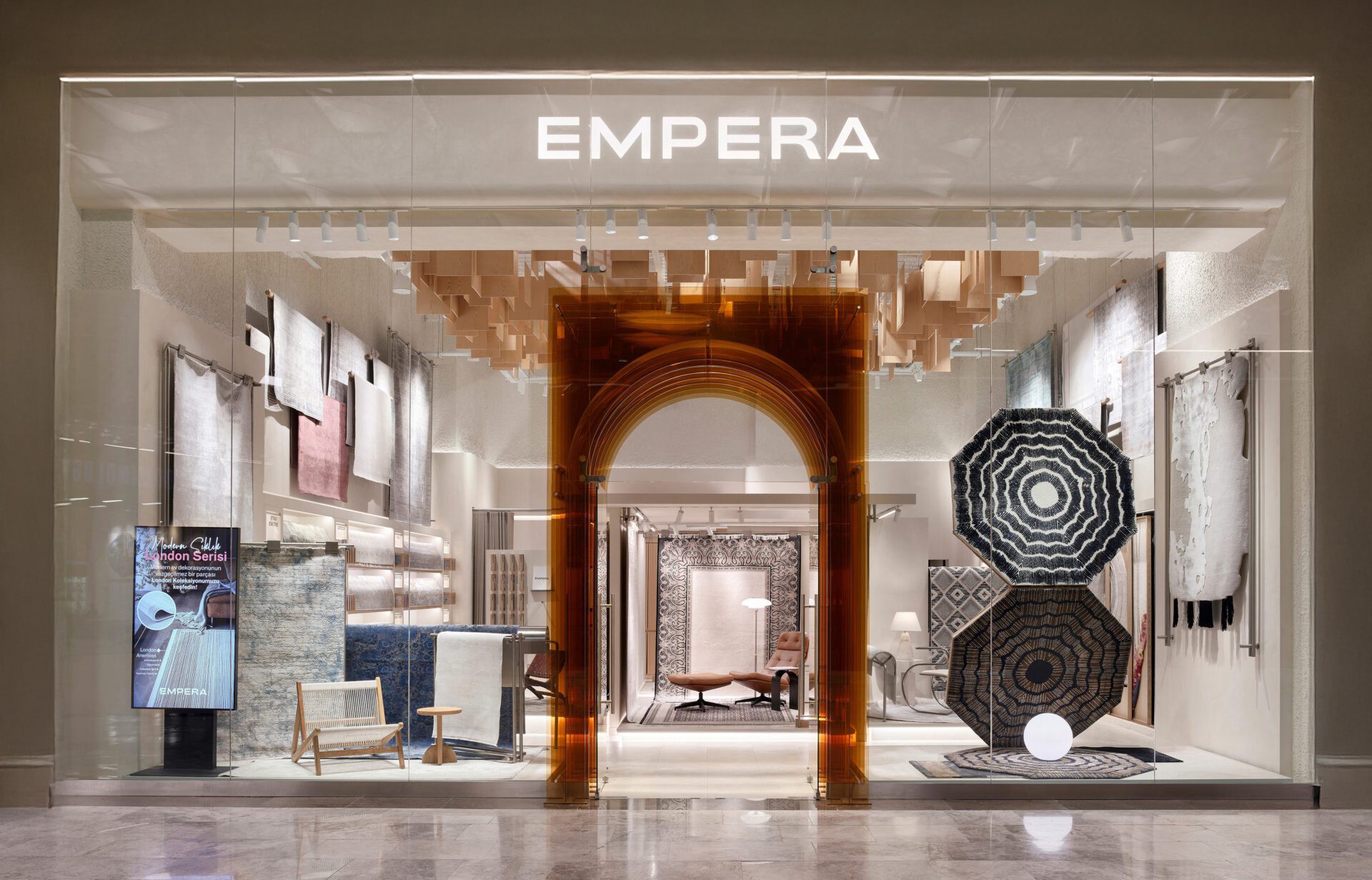
Empera Skyland Experience Centre
A new retail space to bring craftsmanship to life
Empera Skyland Experience Centre
A new retail space to bring craftsmanship to life

What are your working on?
What are your working on?
What are your working on?